
Broken Garage Door Springs
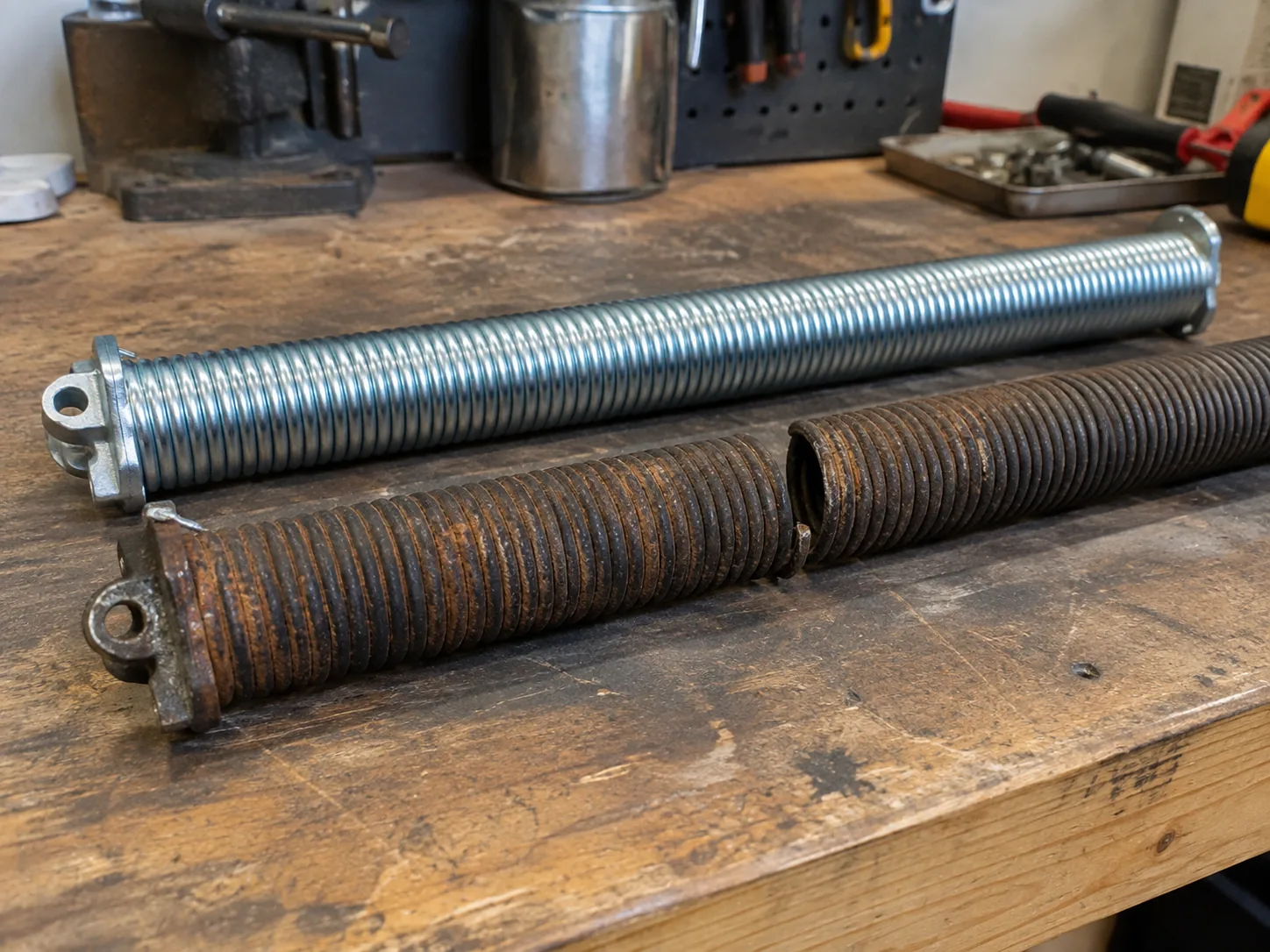
Garage door springs eventually reach the end of their useful cycle life after years of repeated opening and closing.
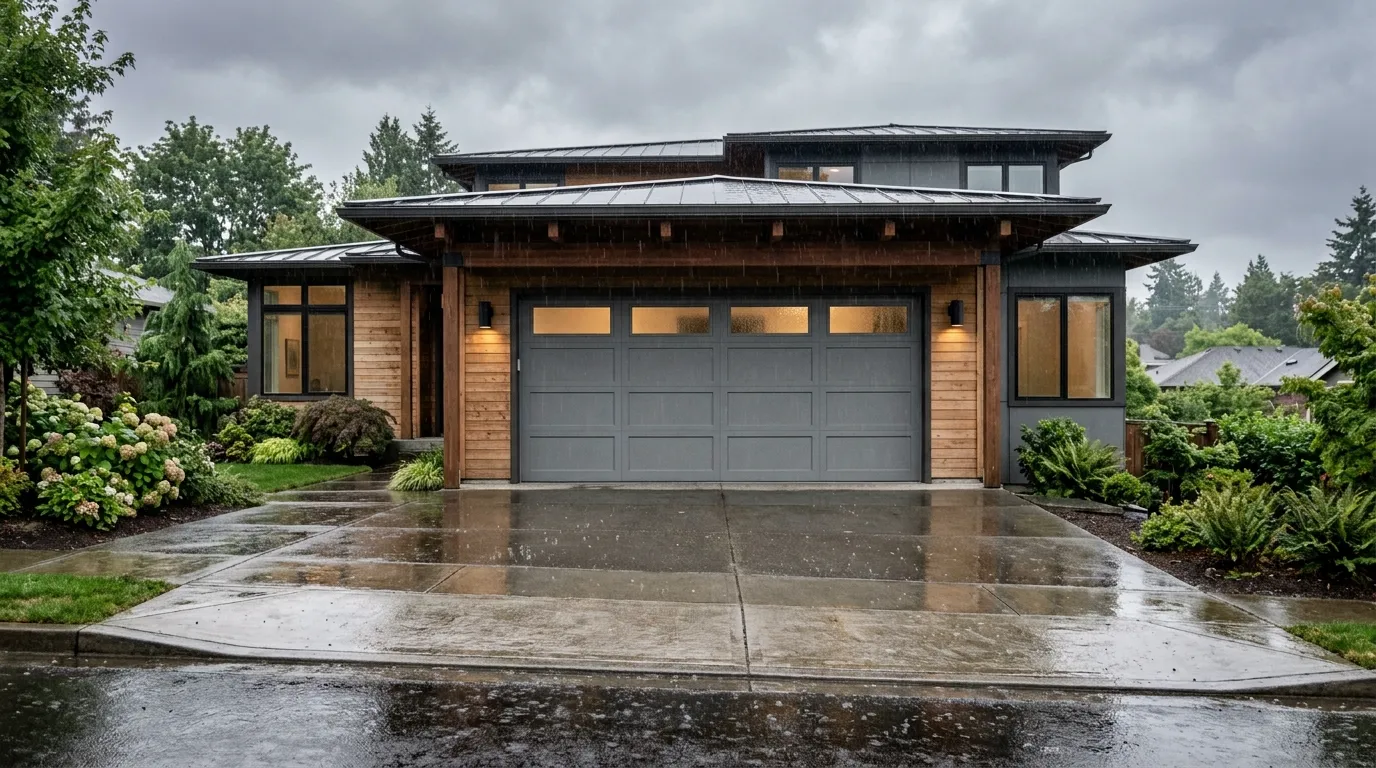
Local garage door service · Old Bridge, NJ
Garage door repair and installation for Old Bridge homes spanning 1938 through 2005, covering cable repair, commercial garage doors, maintenance, panel replacement, spring repair, and the systems common across the area's 1960s- and 70s-heavy housing stock.
Garage door services
From cable repair and commercial garage doors to installation, maintenance, panel replacement, spring repair, and general garage door service, the lineup is built around the mixed-generation systems found across Old Bridge.
Common Old Bridge garage door problems
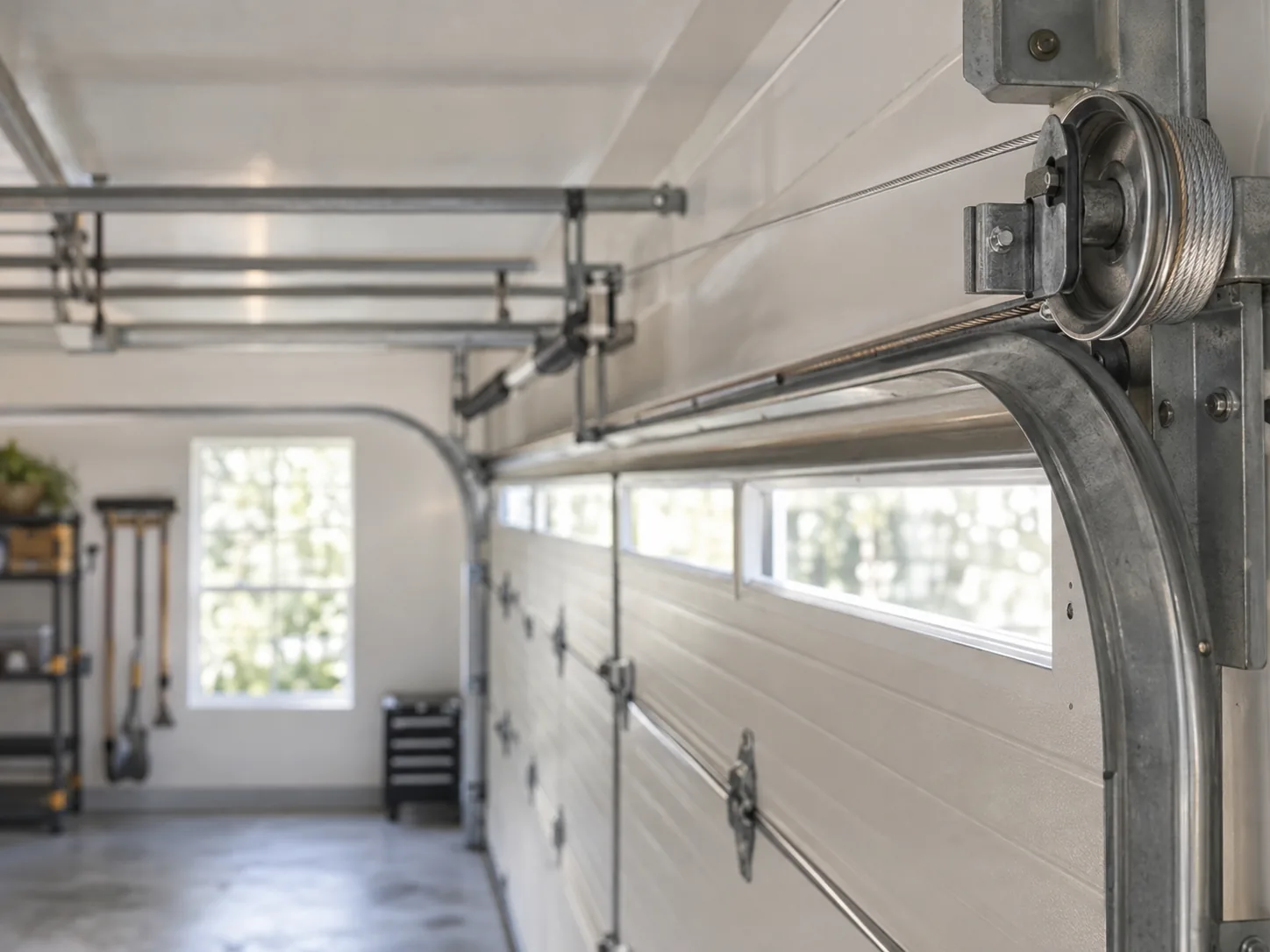
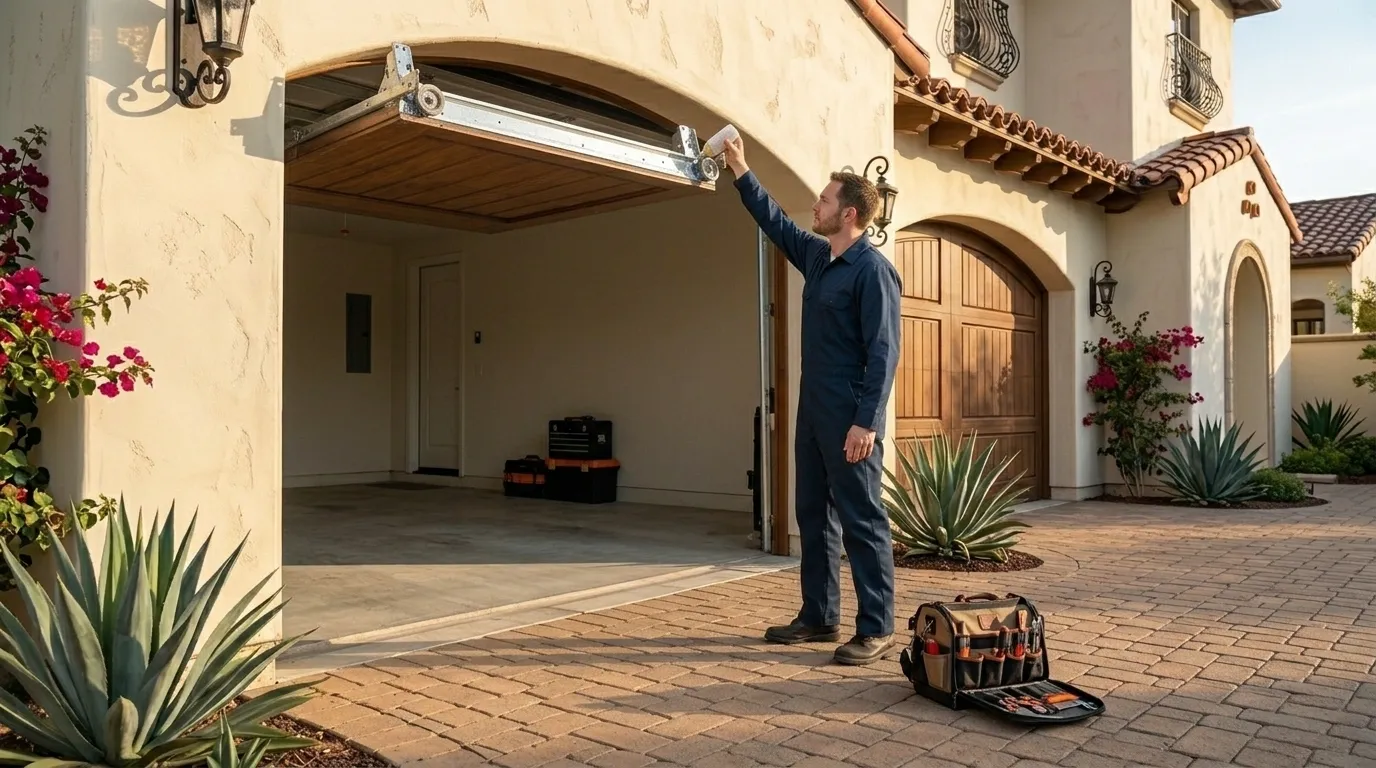
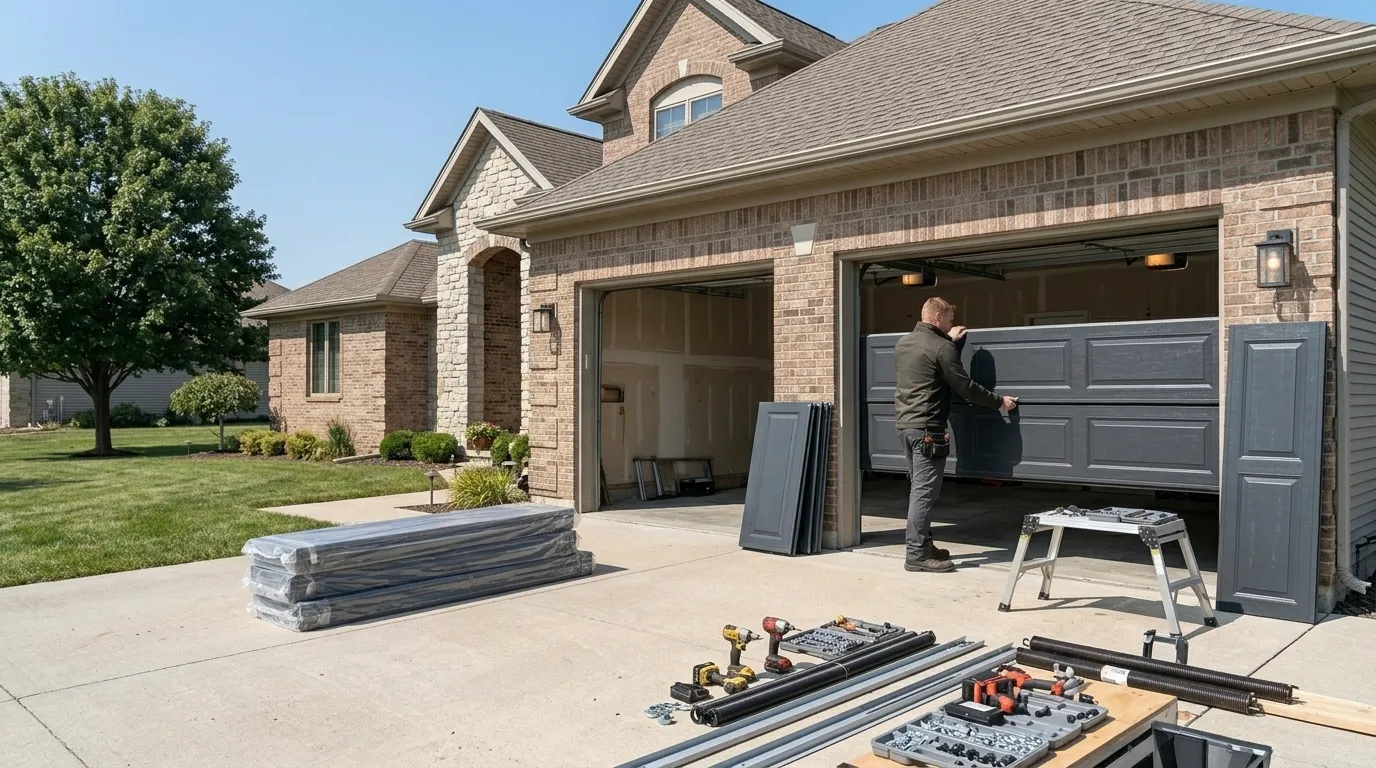
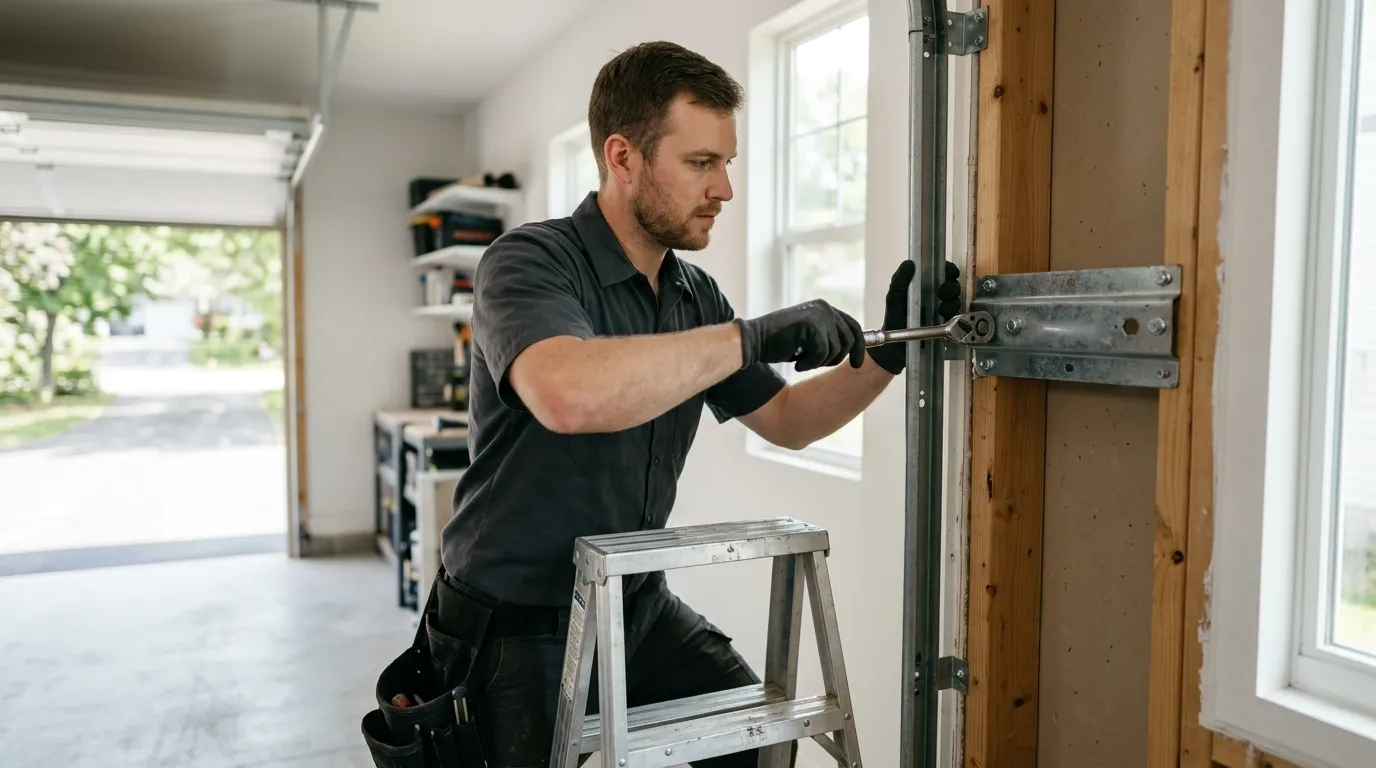
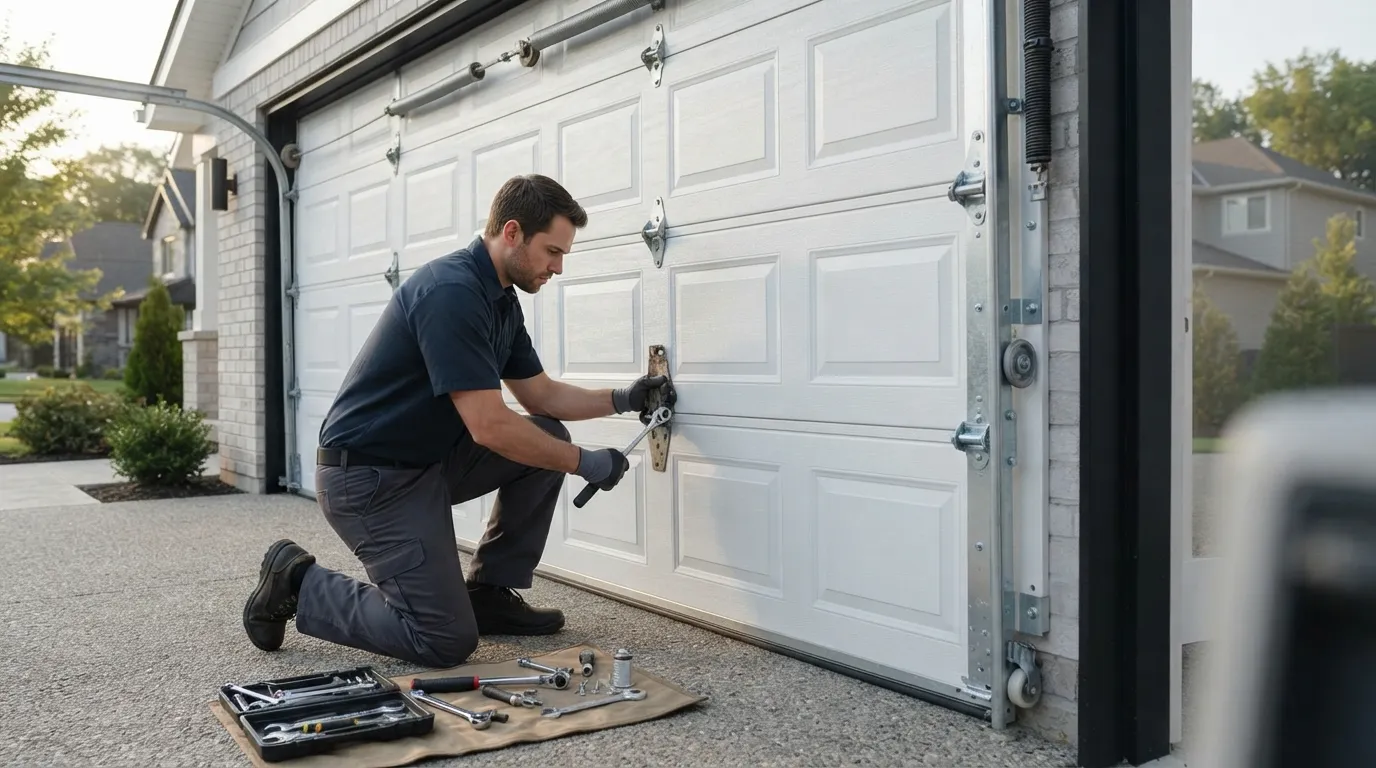
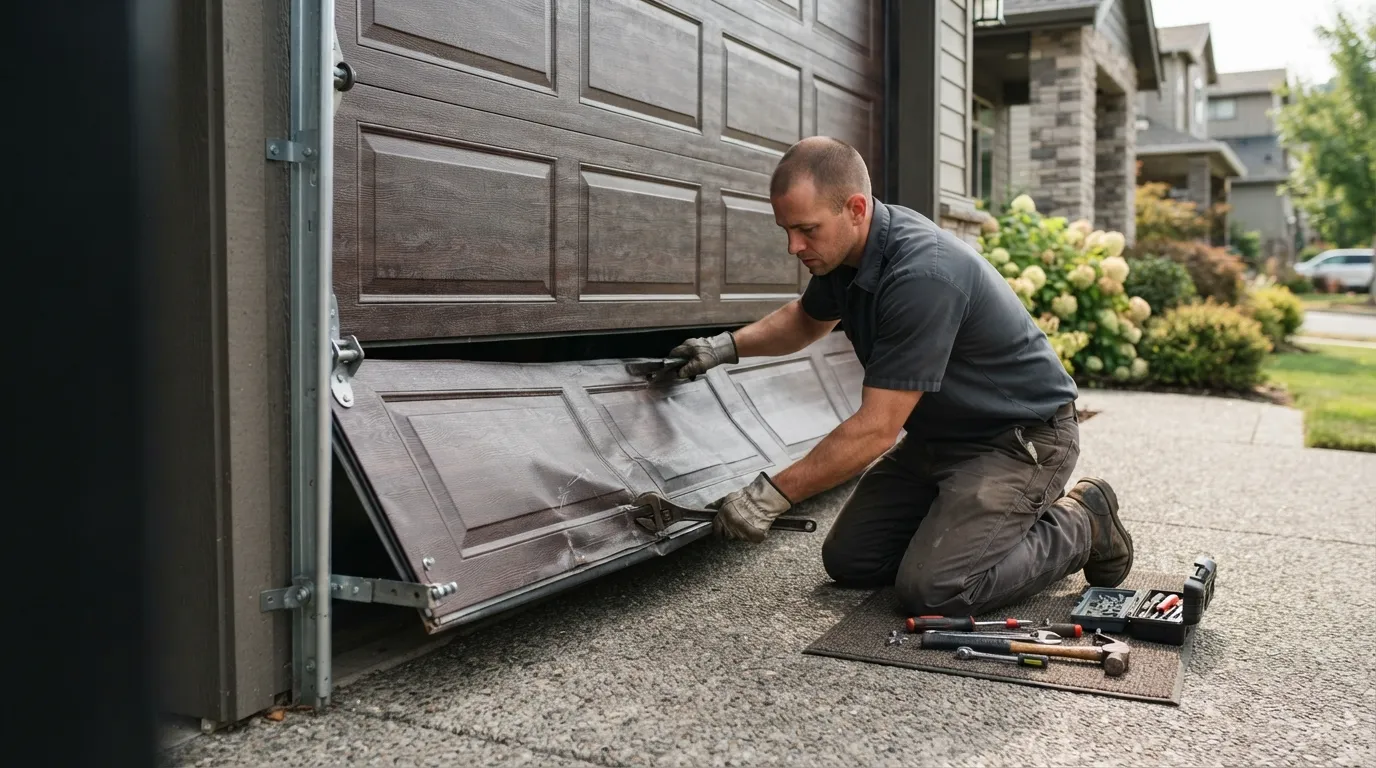
Broken springs, worn rollers, cable problems, aging openers, panel damage, and mixed-generation hardware make up much of the work across Old Bridge's 1960s- and 70s-heavy housing stock. Torsion spring failure is a recurring need across older homes; rollers wear after decades of regular travel while older extension-spring systems and cables accumulate wear over long service lives; openers may already have been replaced once or twice while the surrounding tracks, panels, and springs remain much older; and older panels develop cracking, corrosion, or alignment problems as the door and opening age — so the correct repair depends on inspecting the complete system rather than assuming the first visible failure is the only issue.
Garage door springs eventually reach the end of their useful cycle life after years of repeated opening and closing.
Older rollers can become noisy, rough, damaged, or resistant after years of regular track travel.
Cables can fray, loosen, slip, or fail after years of carrying repeated lifting loads.
Older opener motors, gears, logic boards, sensors, controls, and drive systems can eventually develop operating problems.
Older panels and tracks can develop corrosion, damage, looseness, or alignment problems after decades of regular use.
Local housing matters
The broader source service area spans homes built from 1938 through 2005, with a median build year around 1965 and much of the housing concentrated in the 1960s and 70s.
That creates a large number of split-levels, colonials, and other homes with older sectional doors, extension-spring systems, torsion systems, tracks, rollers, cables, and replacement openers from several generations.
The source describes a broader footprint of 91 named areas sharing much of the same Central Jersey building wave.
Older tracks and mounting points may have shifted over time, while replacement hardware may not always match the original door configuration.
The build year provides useful context, but the correct repair depends on the system actually installed today.

1960s–70s garage door systems
Homes concentrated around the 1960s and 70s can combine older door openings, extension or torsion springs, replacement openers, original tracks, and several generations of repair work.
Extension-spring systems are part of the older garage door mix across the area, and matching replacement hardware can take extra sourcing.
Older torsion springs, drums, cables, and mounting hardware should be measured directly rather than assumed from current standards.
A garage may have a newer opener or spring while retaining much older tracks, rollers, panels, cables, or brackets.
Long-term movement in jambs, framing, and mounting points can affect track alignment and replacement-door planning.
Cold-weather garage door wear
The region has severe cold winters, so seasonal cold and moisture tend to expose existing spring, roller, track, cable, lubrication, and alignment problems rather than winter temperature alone causing failure.
Cold-weather operation can expose weakness in a spring that is already approaching the end of its useful cycle life.
Worn rollers can become more noticeable when an older garage door is already moving with additional resistance.
Long-term moisture and winter exposure can contribute to corrosion on tracks, brackets, cables, fasteners, and other steel components.
An opener can work harder when spring, roller, track, or balance problems are already making the door difficult to move.
Clear repair guidance
There isn't one flat repair price, because spring work, cable repair, panel replacement, maintenance, installation, and other jobs involve different parts and labor.
Torsion versus extension springs, single versus double doors, opener condition, track condition, and whether older surrounding hardware remains safe to reuse can all change the scope.
Median household income across the broader service area runs around $122,610, but we price the actual repair the same regardless of neighborhood.
We avoid recommending complete replacement when an isolated repair solves the problem.
Older doors can also contain mismatched components from previous repairs, which may affect the final repair plan.
Repair or replace?
An older garage door is not automatically a replacement candidate. Repair remains practical when the structure is sound and the failure is isolated, while replacement becomes more sensible when tracks, panels, or several major components are deteriorating together.
A targeted repair can make sense when the panels, tracks, rollers, opener, and surrounding structure remain serviceable.
A well-maintained older door can remain worth keeping when the steel, tracks, and surrounding hardware are still structurally sound.
Replacement becomes more practical when an older door has already required several major repairs and multiple components are approaching failure.
If the panels or tracks can no longer hold reliable alignment or hardware, broader replacement can offer better long-term value.
What to expect
We start with what the door is actually doing, use the symptoms to point toward the likely cause, inspect the whole system because failures connect, and set a clear parts expectation before the repair.
Tell us whether the door won't open, a spring snapped, the opener makes noise without moving the door, or another problem has appeared. That symptom is the starting point.
The symptoms can help point toward springs, cables, rollers, tracks, opener components, or other hardware before the on-site inspection.
We check surrounding components because a slipping cable, broken spring, or other visible failure can be connected to wear elsewhere.
Standard springs, rollers, and common opener components may be available quickly, while less-common sizes and older models can require additional sourcing.
Older Parts May Need Ordering
Less-common spring sizes, older opener components, or legacy hardware may require additional sourcing rather than being standard truck stock.
Keep the system moving
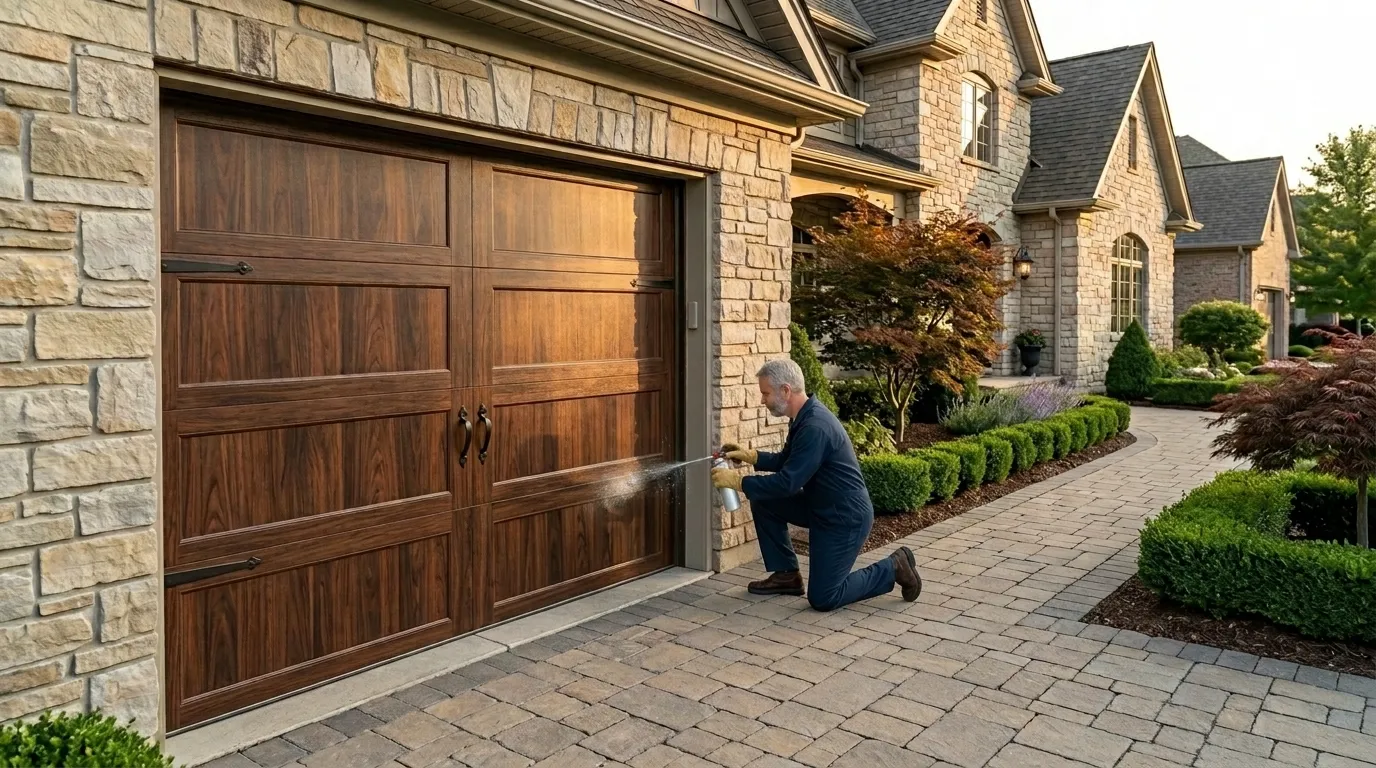
With much of the local housing now decades into regular use, periodic inspection can help identify spring fatigue, cable wear, roller problems, track movement, opener strain, and corrosion before a small issue becomes a complete failure.
Changes in door balance can indicate the spring system is no longer carrying the door as effectively as it should.
Fraying, rough travel, looseness, or visible roller wear can point to developing lifting and guidance problems.
Tracks, brackets, hinges, and mounting points can be checked for movement, wear, looseness, or corrosion.
Changes in sound, travel, reversing, sensor response, or control reliability can provide early signs of opener trouble.
Service areas
Questions
Severe cold winters here put real stress on torsion springs - steel contracts and stiffens in freezing temperatures, and a spring that's near the end of its cycle life is more likely to snap on a cold morning than a mild one. If you've had more than one break in a year or two, the spring is probably undersized or just worn out, not unlucky.
If your house was built in the 1960s or 70s, which covers a large share of homes in this area, there's a real chance it's still running original or first-generation hardware. Look for a single steel panel with no window inserts and an extension spring system along the horizontal tracks - that's the classic setup from that era.
Yes, we work throughout the surrounding area, including Spotswood, Madison Park, South River, Matawan, Parlin, and other nearby towns within roughly a 12-mile radius of Old Bridge.
If the door is original to an older build, has been repaired more than once, or the track and panel are both showing wear, replacement usually costs less over time than repeated fixes. We'll look at the whole system on site and tell you honestly which side of that line your door falls on.
Ready when you are
Tell us what the door is doing and we'll help you figure out whether you're dealing with a cable, spring, panel, roller, track, maintenance issue, installation need, or an older system that's reached the point where replacement makes more sense.