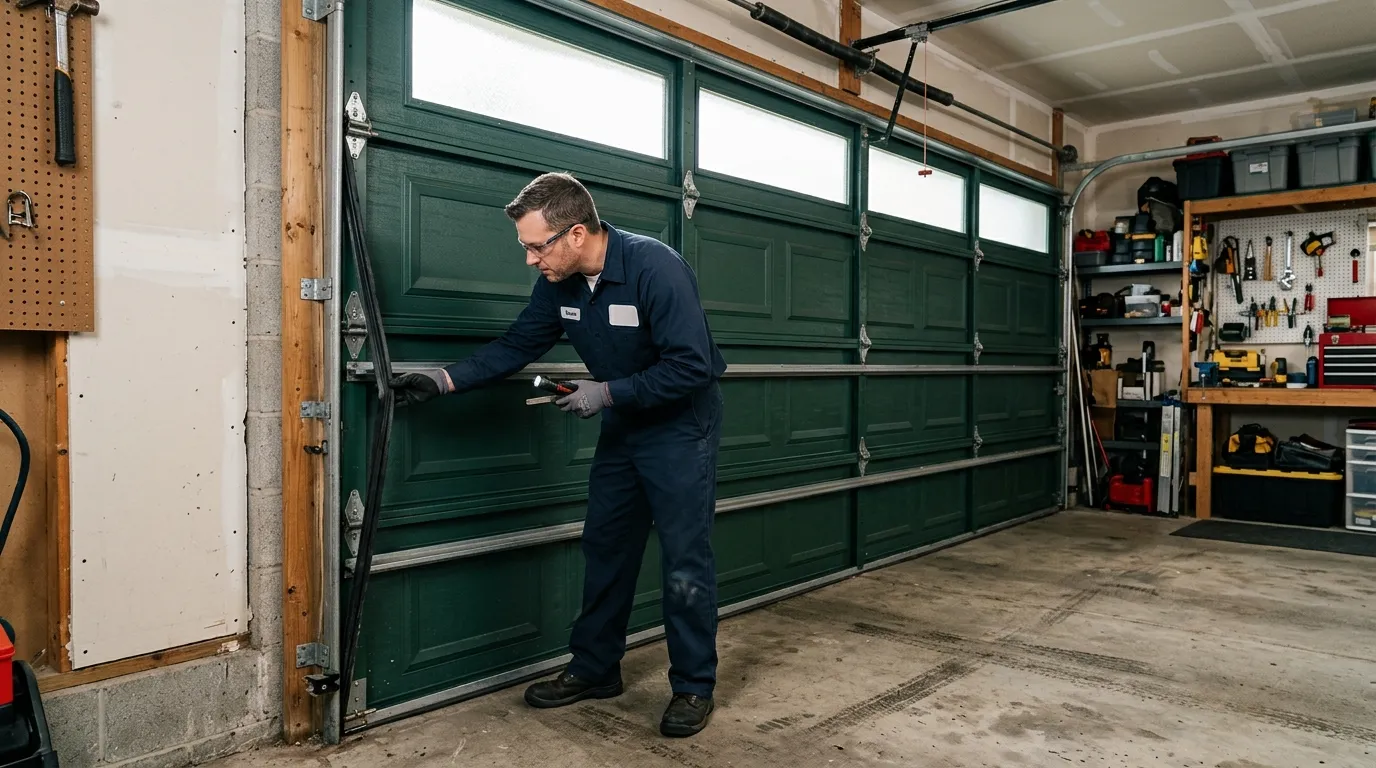
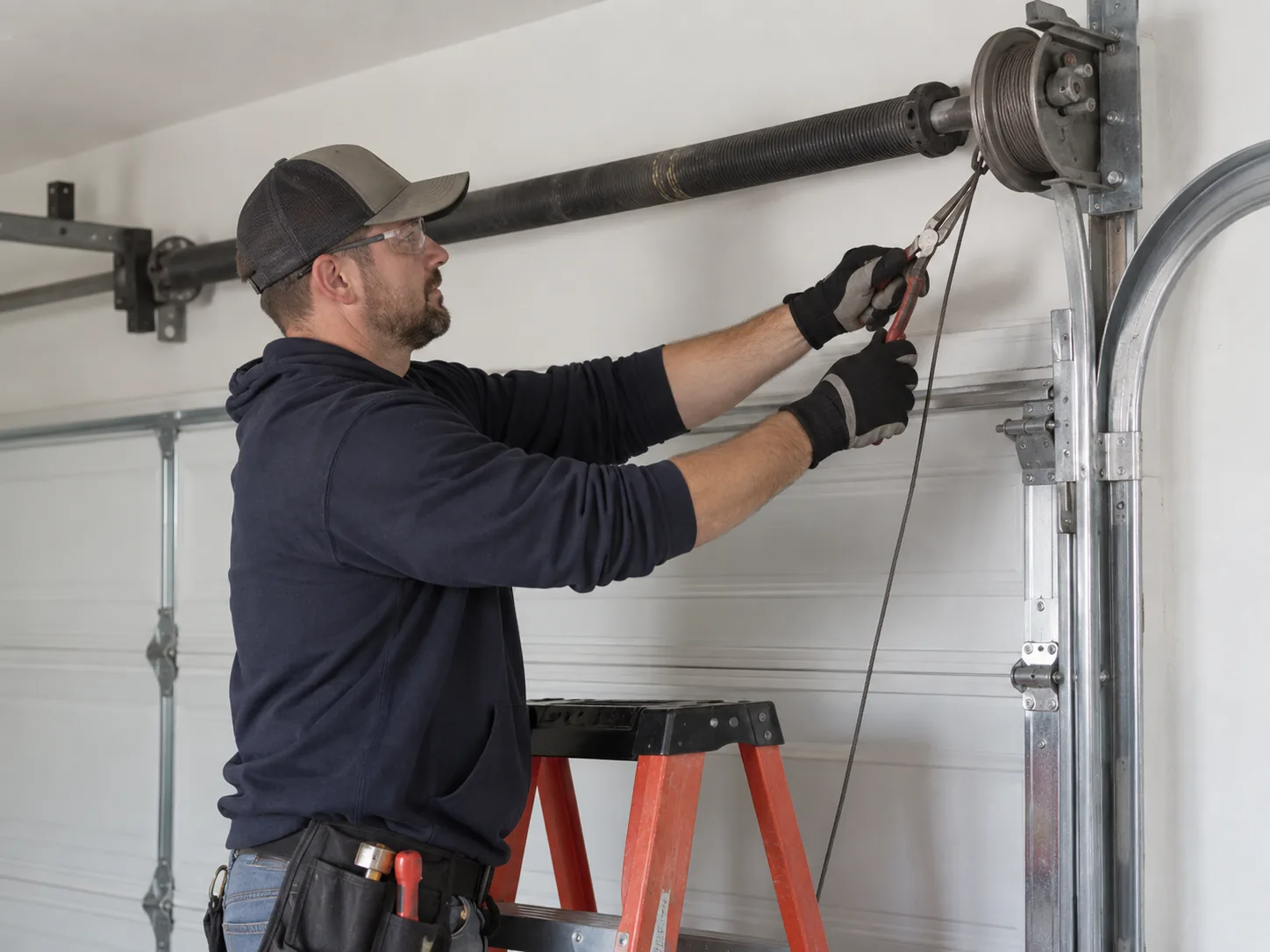
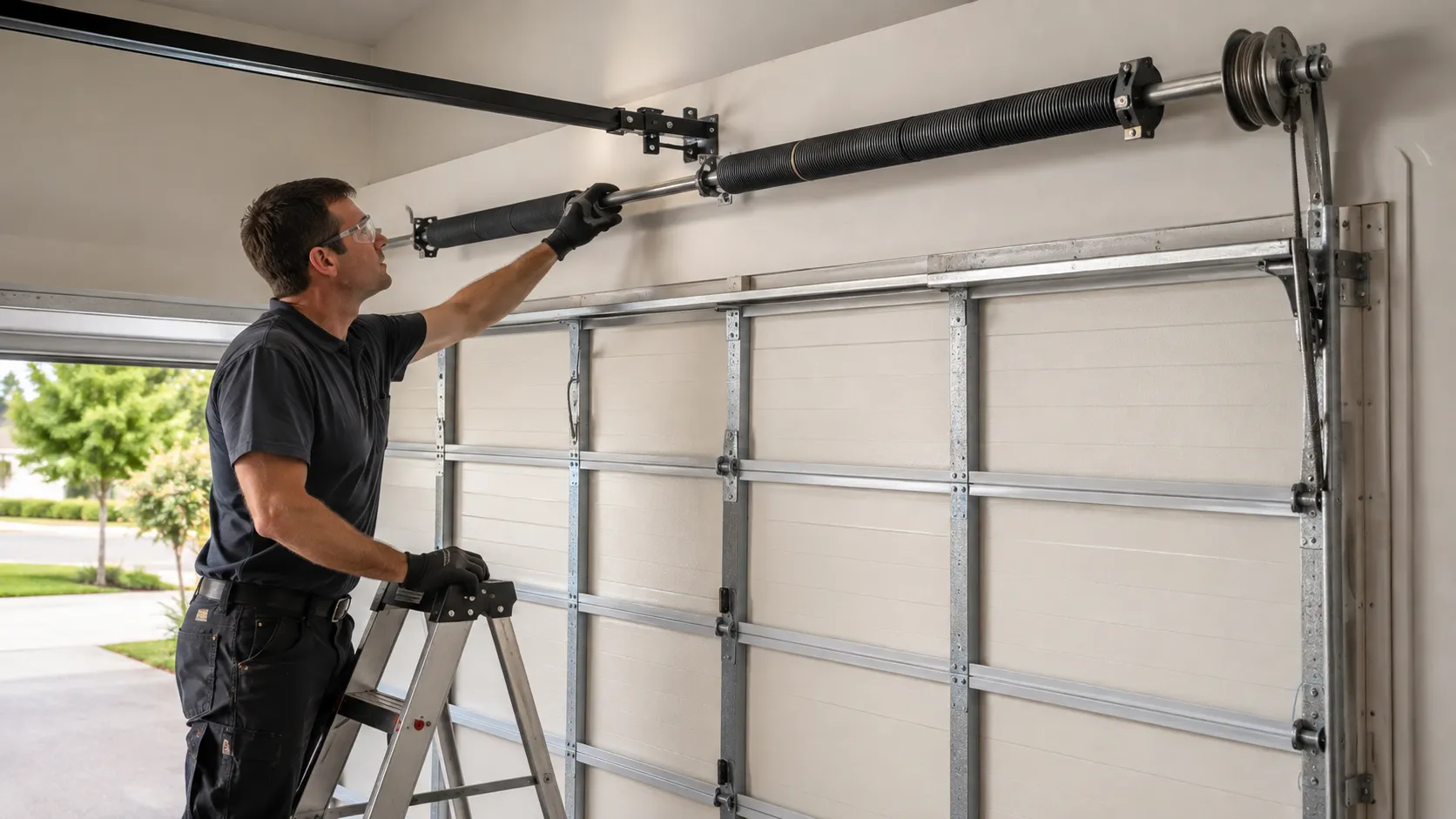
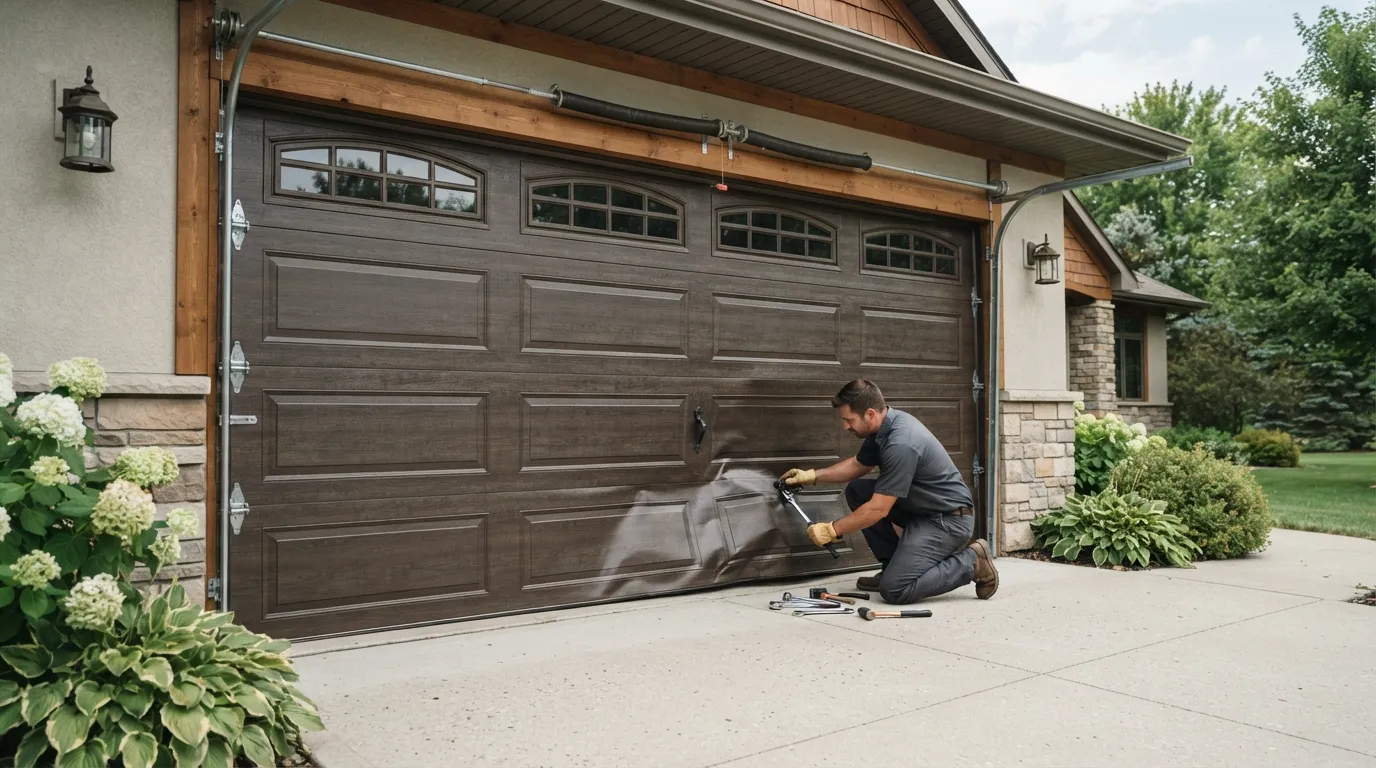
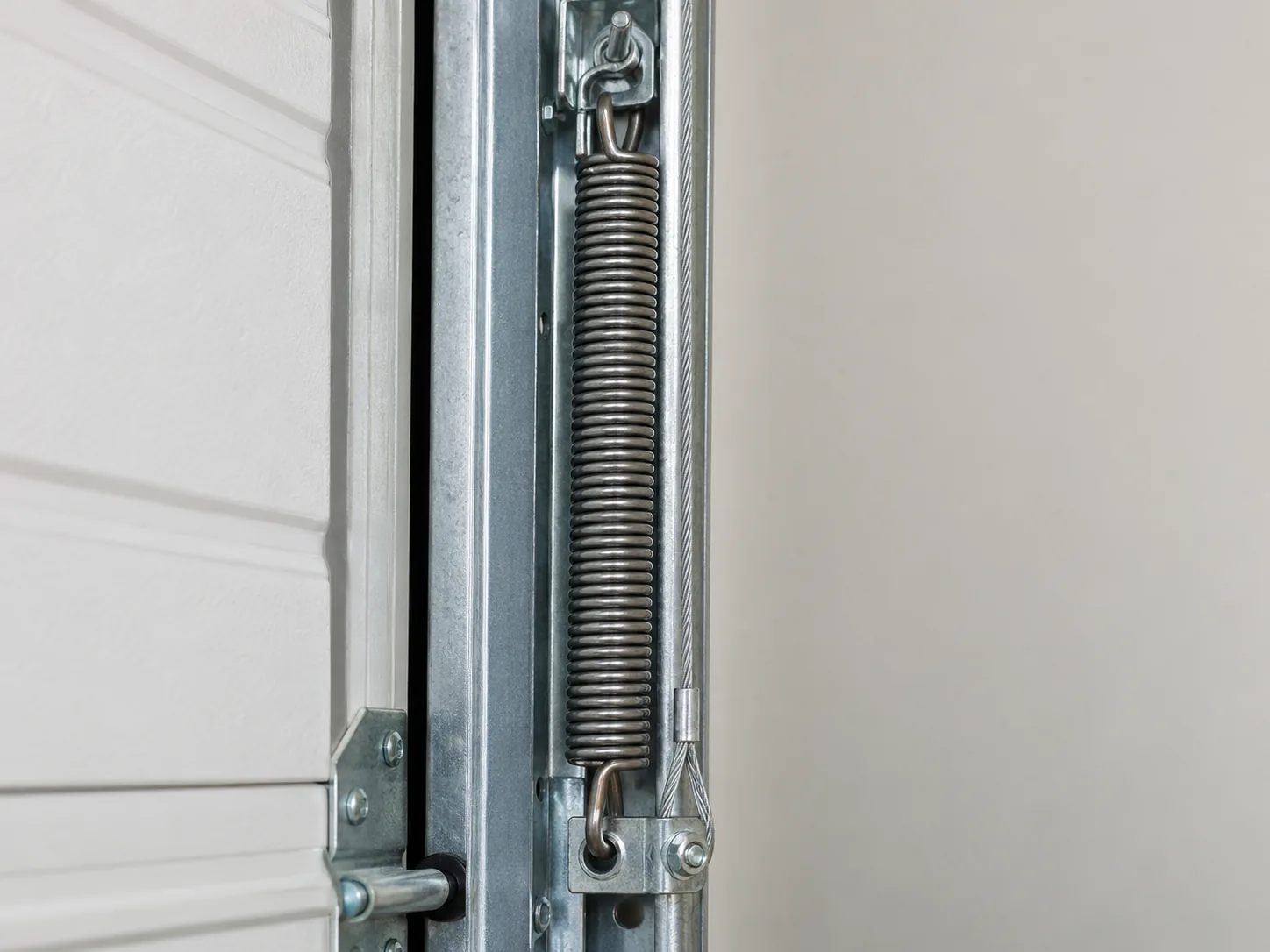
Cold-climate freeze-thaw cycling is hard on any door, but it's harder on a 1958-era single-layer steel door than on a modern insulated one, because there's no thermal break and no second skin to slow the metal down as it contracts overnight and expands by afternoon. Over enough winters that constant flex works the spring coils and loosens the roller brackets on doors that were never rated for it in the first place. South River's roughly 5,570 households sit at a median income of about $101,853, noticeably below the $122,610 median across the broader service area - which in practice means more owners here are running these original doors longer, past the point where a spring swap is really the fix, because a full sectional replacement is a bigger number to swallow. That's not a knock on the town; it's just the math of an older, more affordable housing stock. The result is a real mix of jobs: straightforward torsion spring failures on doors that are otherwise sound, and doors where the track, hinges, and springs have all been degrading together long enough that patching one part just moves the failure to the next one.