
Single-layer original door systems
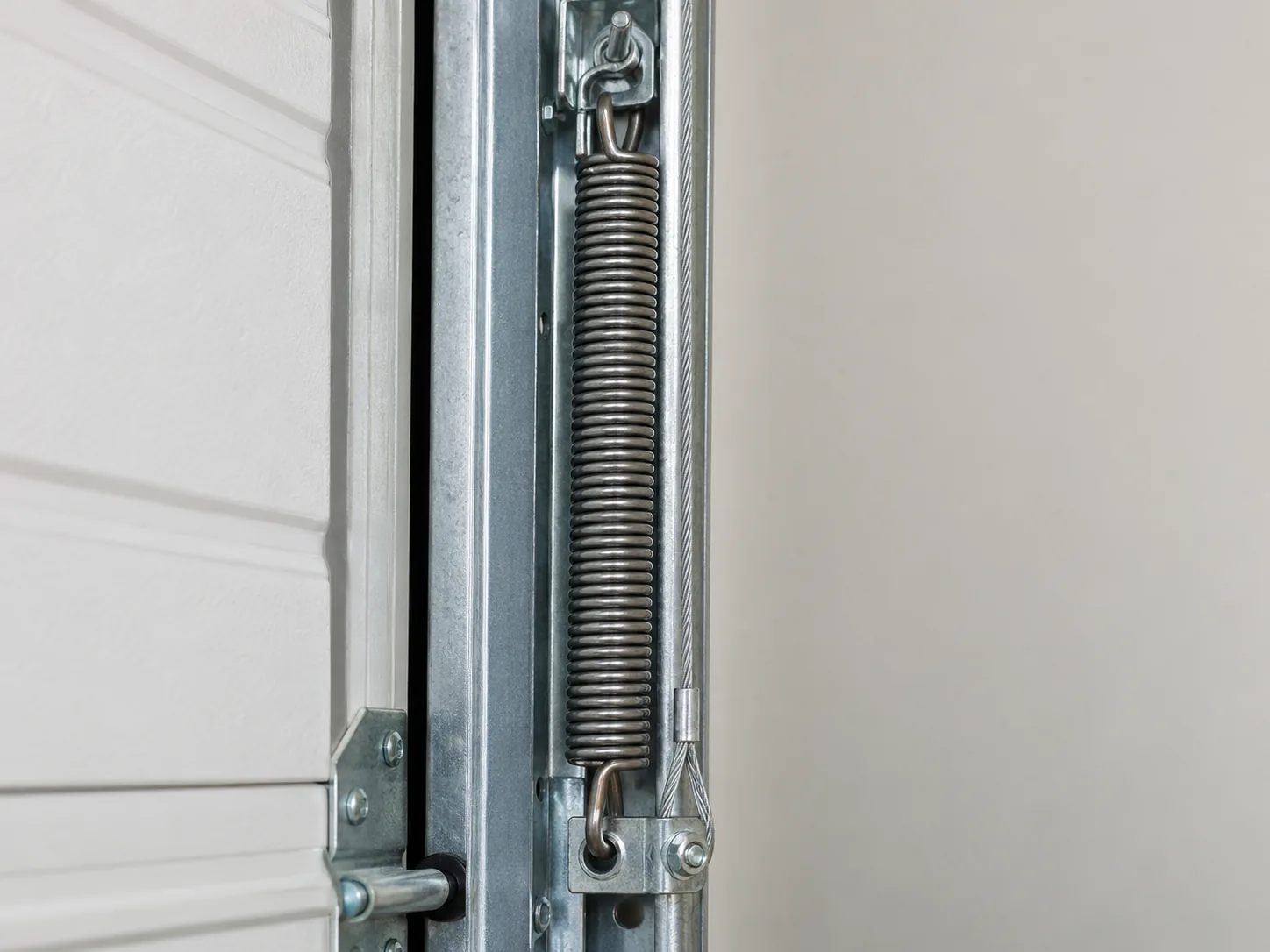
What we run into on install calls is a single-layer steel or hollow wood door hung on an old two-track system, often with extension springs mounted along the horizontal tracks instead of a torsion bar overhead.
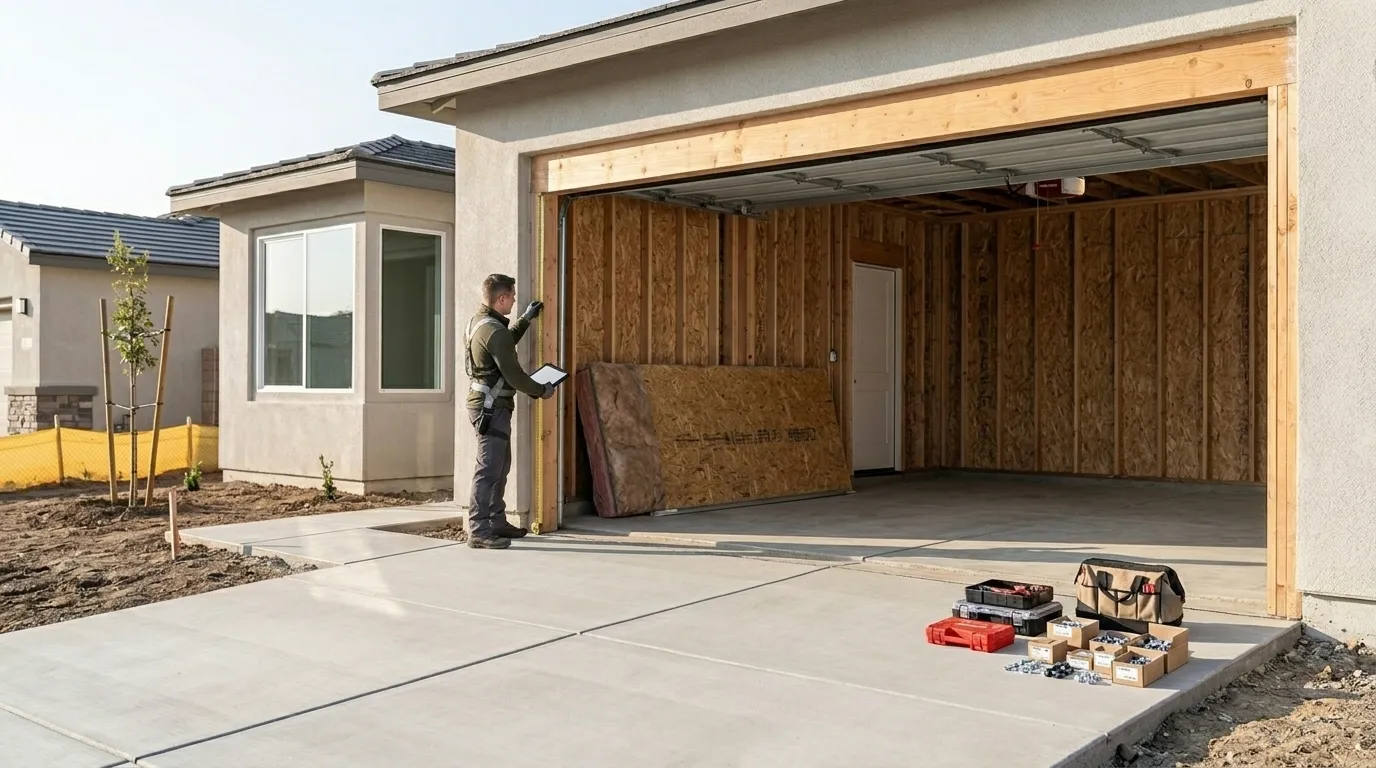
South River, Old Bridge
South River homes mostly went up around 1958, meaning older single-layer doors and extension springs. We install code-right replacements, four miles out from Old Bridge.
Warning signs
South River's housing stock centers on 1958, which puts most garages here a couple decades ahead of the plywood-panel doors but still solidly in the era before insulated steel became standard.
What we run into on install calls is a single-layer steel or hollow wood door hung on an old two-track system, often with extension springs mounted along the horizontal tracks instead of a torsion bar overhead.
The opener, if there is one, is usually a retrofit added later and bolted onto hardware that was never sized for it. Homeowners call us not because the door broke outright but because it's heavy, slow, cold to the touch in January, and doesn't seal at the bottom anymore.
That gap under the door is the tell - it means the panel has warped slightly or the track has shifted enough that a new door, not a patch, is the honest answer. With 5,570 households in South River, a lot of these garages are hitting the same wall around the same age.
Local causes
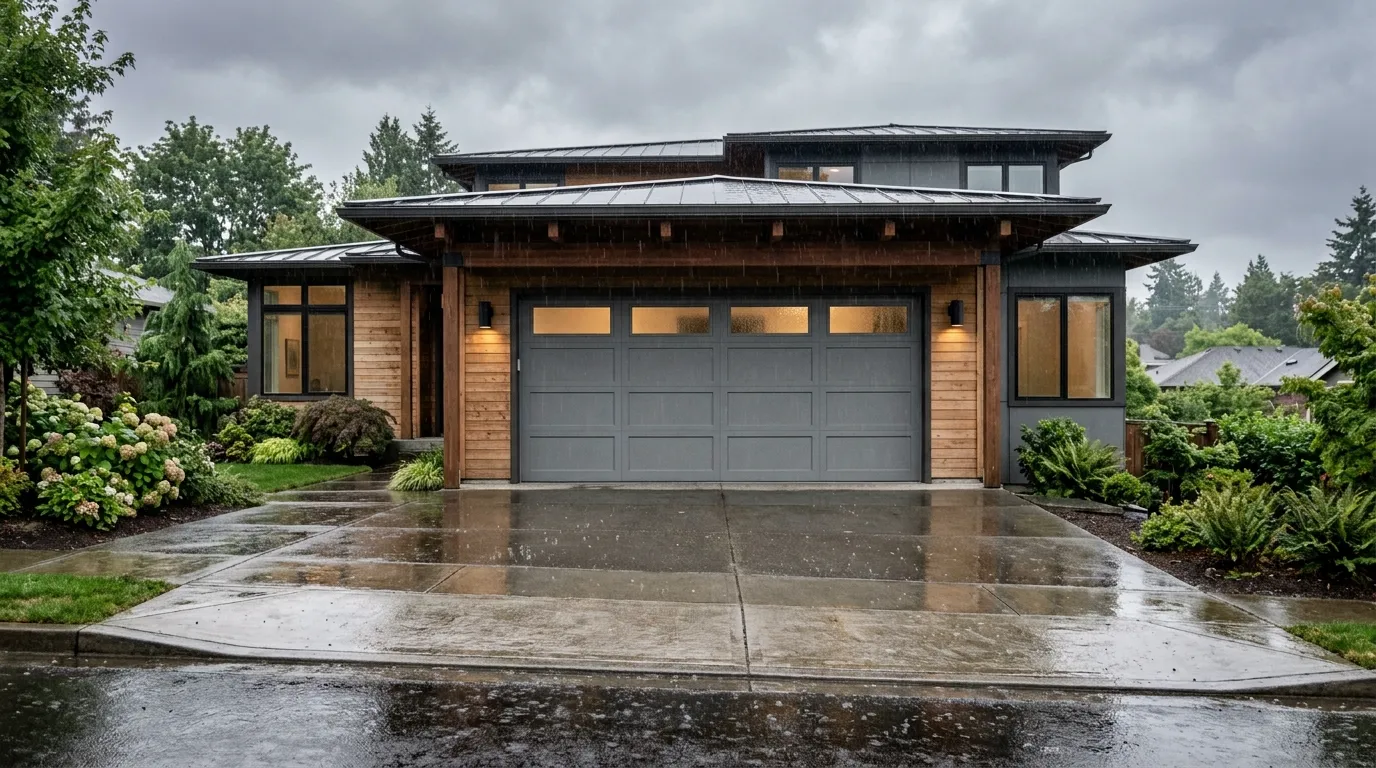
The climate here runs a severe cold band, and a 1958-built garage was never insulated to deal with it - the original doors were single steel skin or wood, with no thermal break and no weatherstrip worth mentioning by today's standard. Decades of freeze-thaw cycling on old hardware means hinges corrode, the bottom panel takes moisture and swells or rusts, and the track brackets loosen from repeated expansion and contraction. Add in that a lot of these houses were built with a garage sized for a single car of that era, so newer doors and openers sometimes need bracket or header adjustments to fit right. None of this is unique to one house - it's the age of the neighborhood talking. South River's median household income sits at $101,853, which tells us most owners here are choosing insulated steel or a well-built composite over the cheapest option, since they're planning to keep the house, not flip it.
On the truck
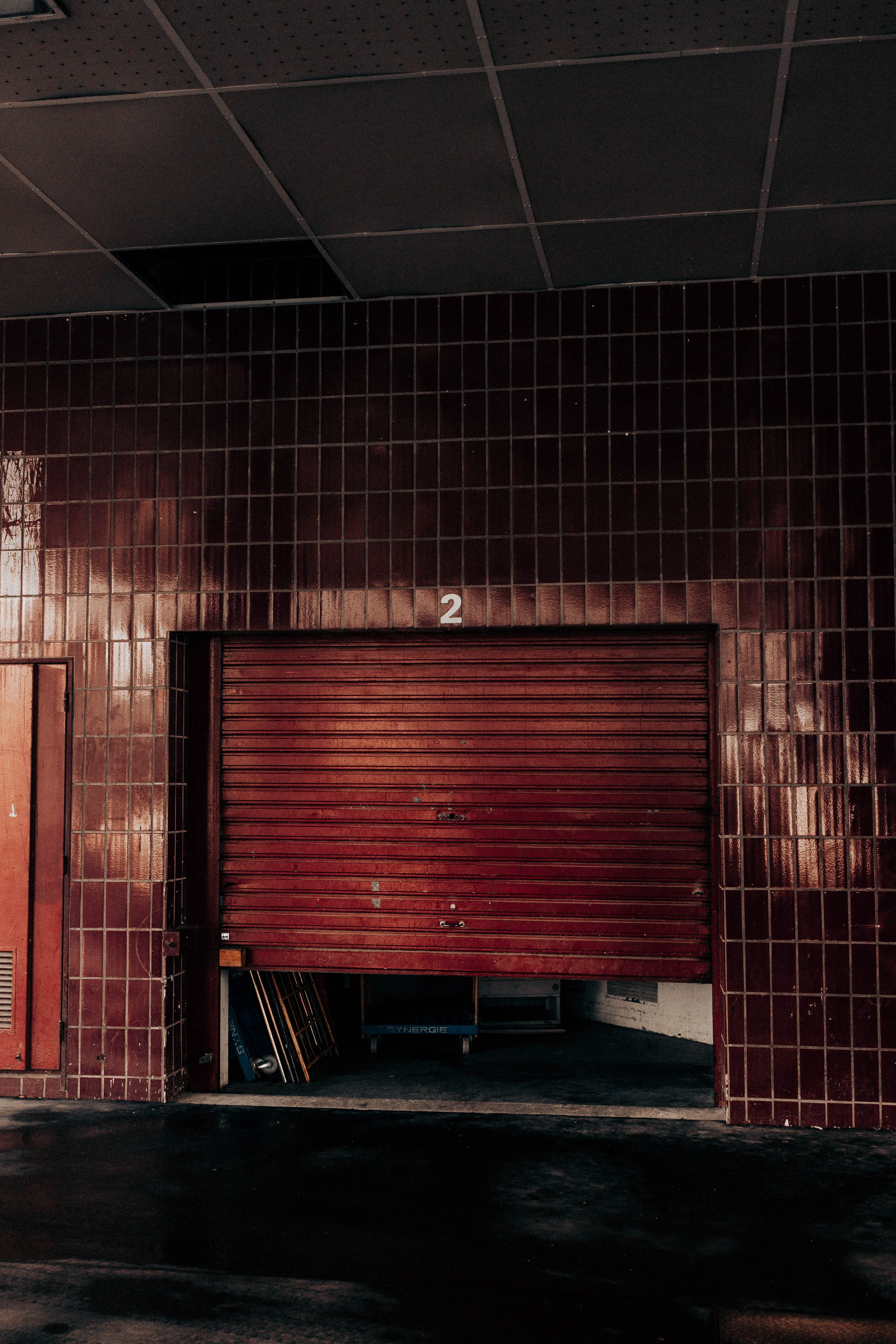
For a new install we bring insulated steel doors rated for the cold-climate demands this area actually sees, along with torsion spring kits to replace the old extension-spring setups still common on 1958-era garages.
We carry standard-width track and jamb hardware sized for single-car openings, since that's what shows up most in South River's older stock, plus the wider hardware for anyone who's added a second bay.
Openers on the truck are matched to whatever door width and weight we're installing that day - we don't force a universal unit onto hardware it wasn't built for. We also carry weatherstrip and bottom seal kits, because on a lot of these houses the seal is doing as much work against the cold as the door panel itself.
What we don't carry is custom millwork doors - if you want a wood-look carriage door beyond our standard line, that's a special order with its own lead time, and we'll tell you that up front rather than promise a truck that doesn't have it.

DIY or pro
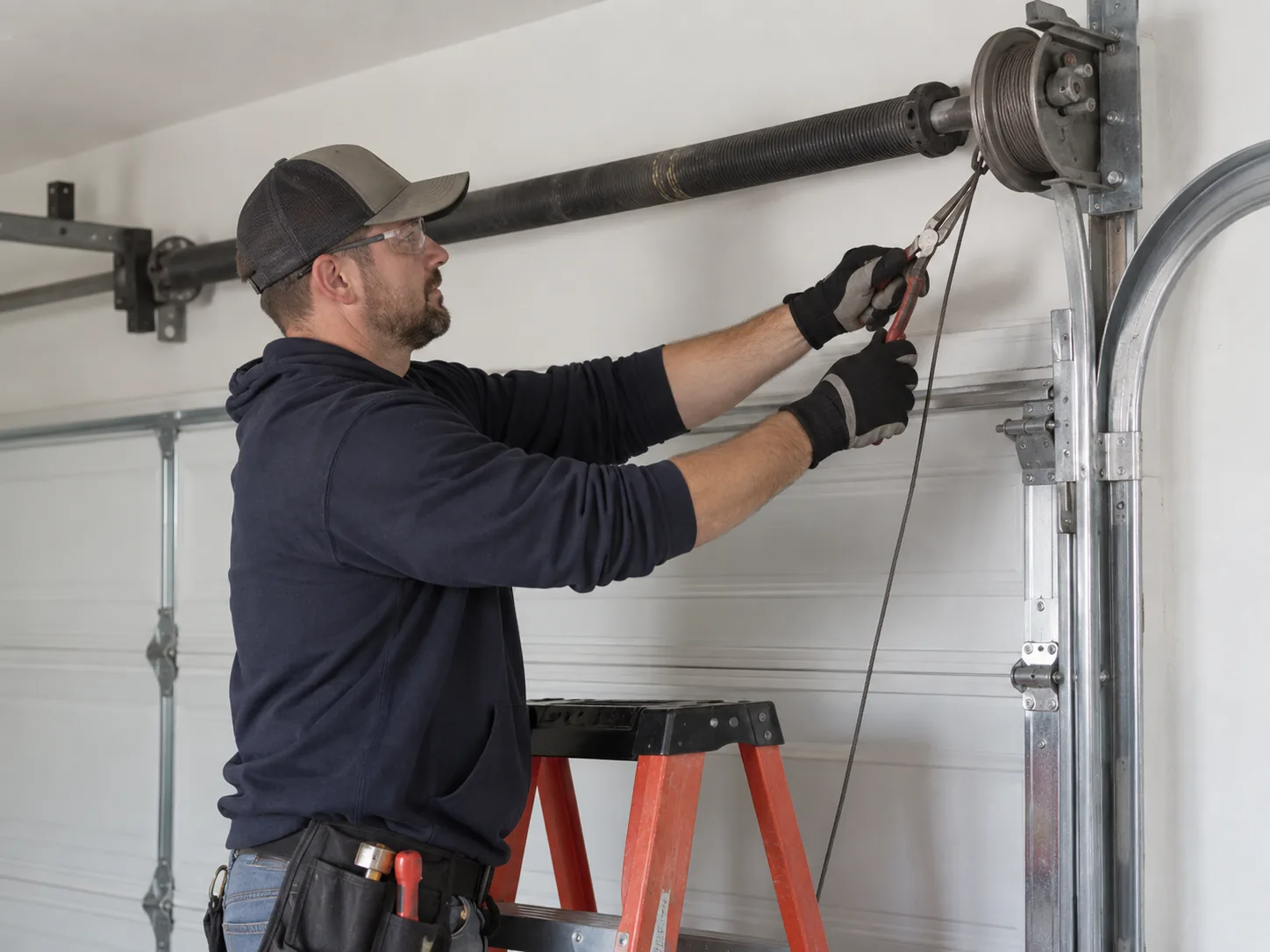
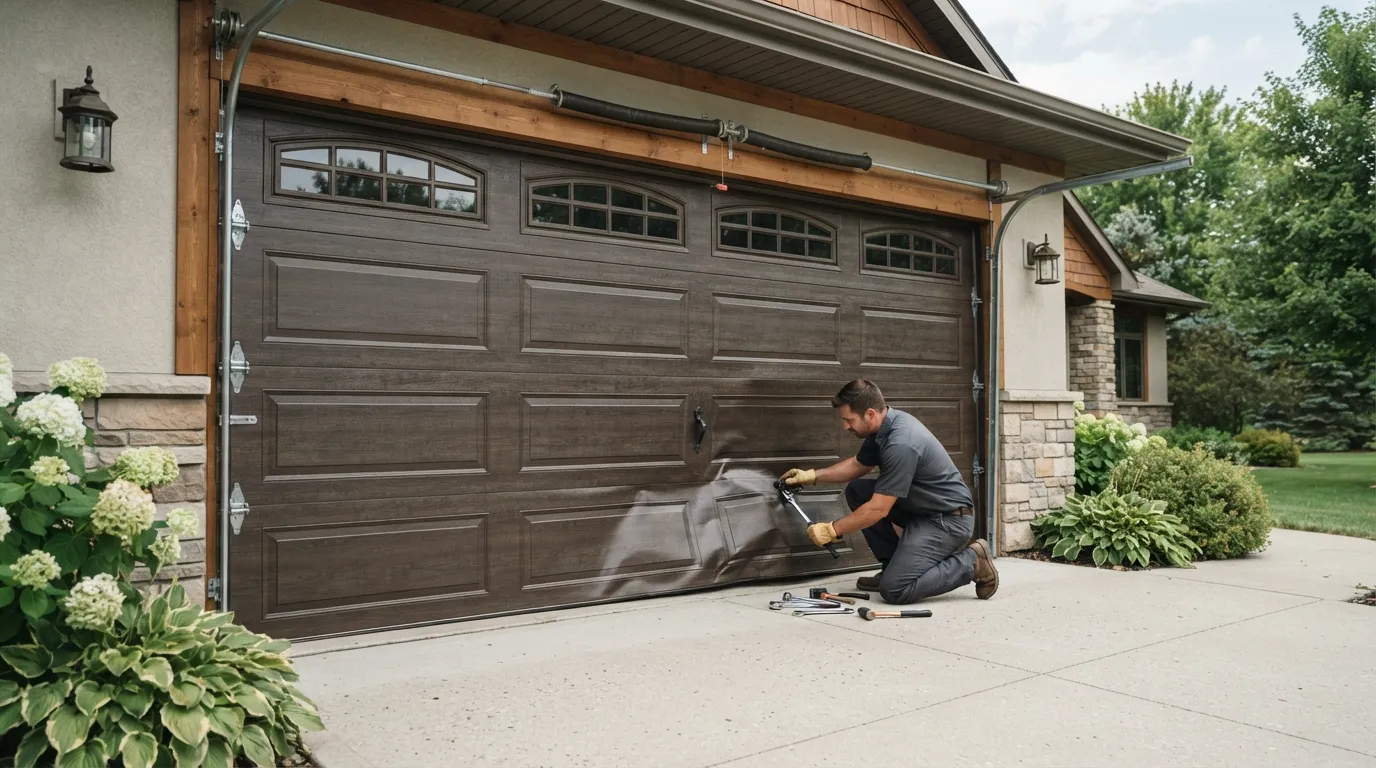
Swapping a garage door on your own is possible if you've done it before and you understand spring tension, but on a 1958-era house with the original extension-spring track system, we'd tell you not to. Those springs store enough force to break a finger or worse, and the track geometry on houses this age doesn't always match the instructions in a big-box door kit. If your garage was re-hardware since then with a modern torsion setup, a DIY swap is a more reasonable call. Where we draw the line for ourselves: if the header or jamb has shifted out of square from decades of settling, that's a carpentry problem before it's a door problem, and we'll say so rather than force a door into an opening that isn't square anymore.
Booking
We run this job out of Old Bridge, about four miles from South River, so scheduling means a short drive for us, not a same-town dispatch - we're upfront about that distance rather than pretending we have a branch here. If your door is from the 1958-era wave still common through this town, tell us that when you call; it helps us bring the right spring type and track width on the first trip instead of a second one. For repair calls instead of a full replacement, see our [South River garage door repair page](/south-river-garage-door-repair/). For the full rundown of what we install and service out of our home base, see the [Old Bridge installation page](/garage-door-installation-old-bridge-nj).
Questions
Most houses here date to around 1958, when doors were single-layer steel or wood with extension springs along the horizontal track instead of a torsion bar. Those springs lose tension over decades, and the door itself often has no insulation adding weight without any thermal benefit. A new insulated door on proper torsion hardware fixes both the weight and the cold.
No. We work out of Old Bridge, about four miles away, and drive out for South River jobs. We don't claim a local depot or a guaranteed response window here - just an honest trip from our home base to do the install.
Usually yes, if the jamb and header are still square. Decades of settling can shift that on houses this age, though, and if we find the opening out of square, we'll tell you before installing rather than force a new door into a bad frame.
Given the severe cold band this area sits in, we steer most owners toward insulated steel with a proper thermal break and bottom seal, since the original 1958-era doors had neither and it shows up as a cold garage and a frosty wall behind it.
Explore more
Ready when you are
Old Bridge Garage Door Pros repairs and installs garage doors, springs and openers in Old Bridge, NJ and the surrounding area.