
Sewaren, Old Bridge NJ
Garage Door Work for Sewaren Homes, Out Past Old Bridge Center
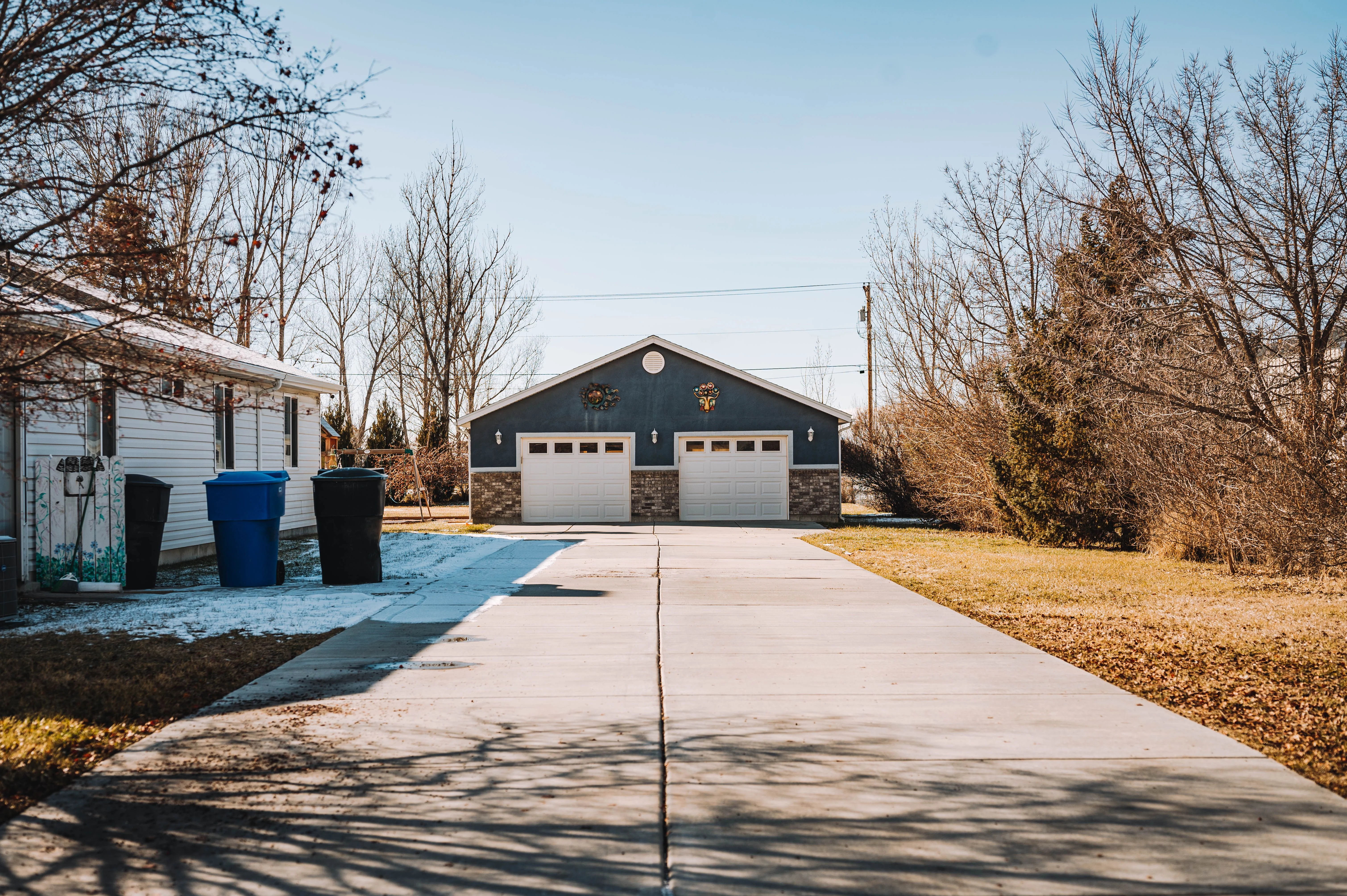
Sewaren sits about 12 miles NNE of Old Bridge, in a stretch built mostly between the late 1930s and mid-1960s. Here's what that housing stock means for your garage door and opener.
Local detail
What Is on These Garages
Sewaren sits about twelve miles north-northeast of the Old Bridge center, closer to the water than most of the service area we cover. We don't have street-level records for this pocket specifically, so we're going by what the wider area's housing data tells us and by what we see on calls out this way.
Houses in this part of the region were mostly built between 1938 and 1965, with 1965 landing right at the median. That build window matters more than people think. A door installed or replaced in that era, or a door that's a straight swap for the original, is almost always a single steel skin with no foam core, hung on hardware sized for a lighter panel than what's sold today. If a homeowner's added insulation to the garage itself but never touched the door, that mismatch is where the drafts and the noise come from.
We also don't carry landmark or block-level detail for Sewaren specifically, so we're not going to pretend otherwise here. What we can speak to is the housing era and what it does to a door and opener over sixty-plus years, which is the more useful thing anyway when you're trying to figure out why your door's acting up.

The area
What Is Built Here
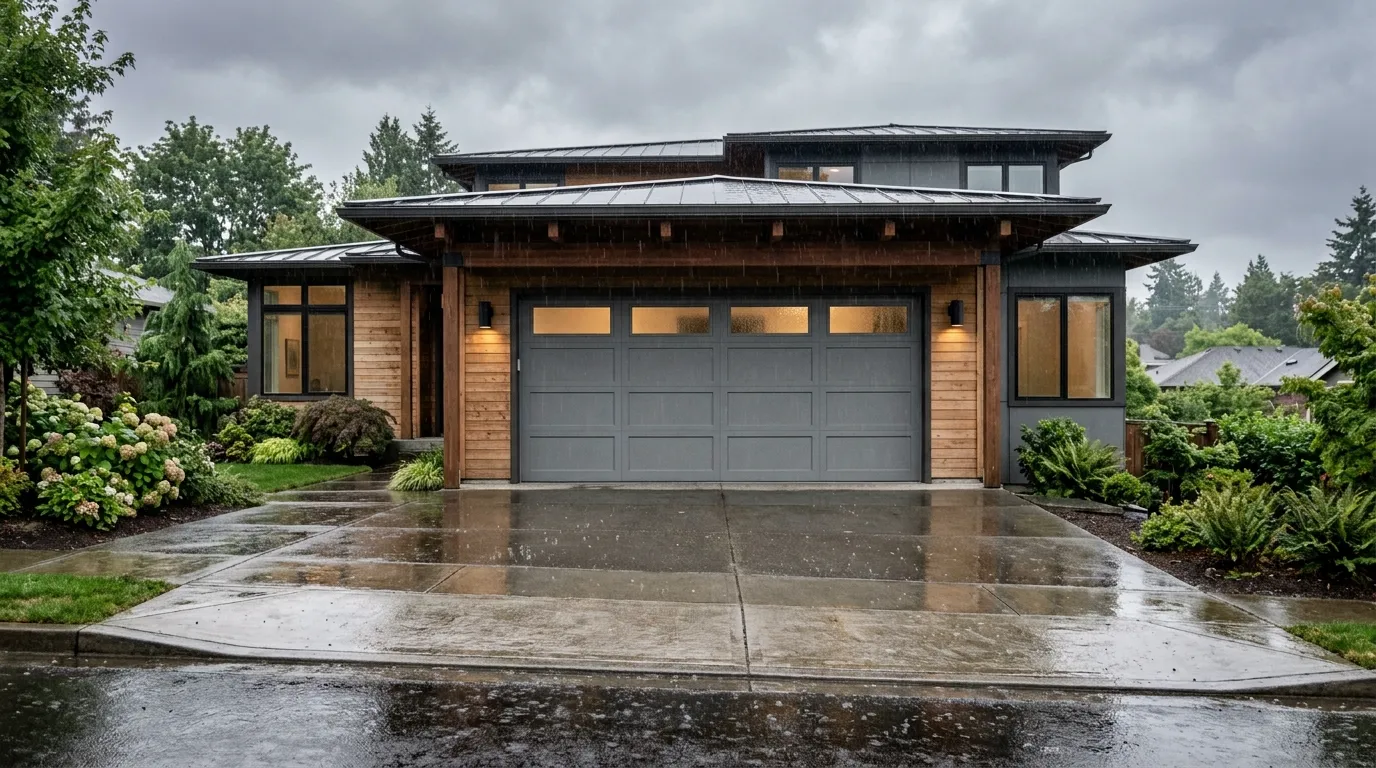
The service area runs 313,837 households, with 153,973 of those in owner-occupied houses, and a median household income of $122,610. Sewaren, out at twelve miles NNE, is on the outer edge of that footprint, past Old Bridge's own denser blocks. Distance and direction matter for us mainly in terms of drive time, not construction style, since the housing data we have is drawn from the region as a whole rather than block by block.
What we can say with confidence: across the 91 named areas in this region, the dominant housing stock is 1960s and 70s construction, sitting inside a broader 1938-2005 build range. A garage attached to a house from that window was almost certainly built with a door track and spring system designed for the panel weight standards of the time, not for today's heavier insulated sectional doors. When a homeowner upgrades to a heavier door without upgrading the spring set, that's a comfort improvement that quietly creates a mechanical problem down the line.
What we find
What We Get Called For
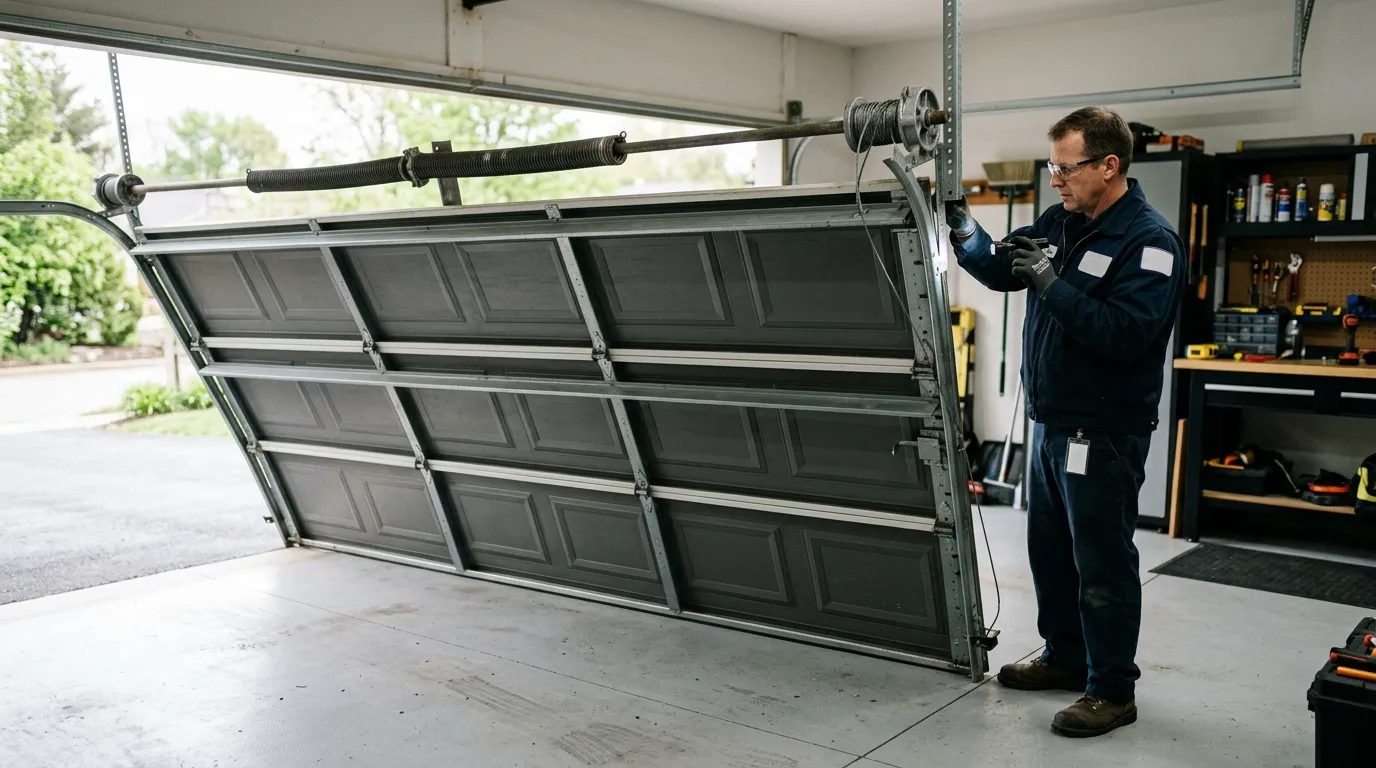
This region sits in a cold-severe climate band, and that shows up on garage doors before it shows up almost anywhere else on a house. Steel contracts in the cold, so the gap between panel and track opens up, and a roller that was fine in October starts binding or popping loose by January. On older, non-insulated doors, that cold snap also stiffens the torsion spring's steel just enough to change how much force it takes to lift the door, which is part of why a lot of our winter calls in this kind of housing stock are springs that finally let go on a cold morning rather than mid-summer.
We also get called on ice buildup at the bottom seal, and on openers that start grinding because the door's heavier than the unit was ever sized for. What we don't do is push a full door replacement when a spring set, new rollers, and a fresh bottom seal will get another decade out of a door that's structurally fine. If the frame's racked or the panels are rusted through, that's a different conversation, but a working door from this era usually just needs the parts that wear, not a rebuild.
Service areas
Other areas we cover near Sewaren
Questions
Common questions
Why does my garage door get harder to open in the winter?
Cold steel is stiffer steel, and a torsion spring loses a little lift capacity as the temperature drops. In a cold-severe climate band like this one, that's enough to turn a door that opens fine in summer into one that groans or sticks in January. It's usually the first sign a spring is near the end of its life, not a sign anything's broken yet.
My house is older with a single-layer steel door. Is it worth insulating?
Depends on the door and the frame under it. If the panel and track hardware are sound, adding a insulated retrofit kit or swapping to a foam-core door can cut down on noise and drafts. If the track or spring set is already worn from carrying decades of wear, it makes more sense to replace the whole assembly at once rather than layer new insulation onto old hardware.
Do you have technicians who know the older Sewaren-area houses specifically?
We don't have block-level records for Sewaren on its own, so we're not going to claim knowledge we don't have. What we do know is the housing era common across this part of the region, built mostly between 1938 and 1965, and the specific spring and track problems that era of construction runs into in a cold climate.
Ready when you are
Need a garage door sorted in Old Bridge?
Old Bridge Garage Door Pros repairs and installs garage doors, springs and openers in Old Bridge, NJ and the surrounding area.