
Fanwood, Old Bridge NJ
Garage Door Service for Fanwood Homes
Serving Fanwood from Old Bridge, 17 miles out. We know 1954-era doors, original hardware, and what cold winters do to torsion springs that old.
Local detail
The Houses Here
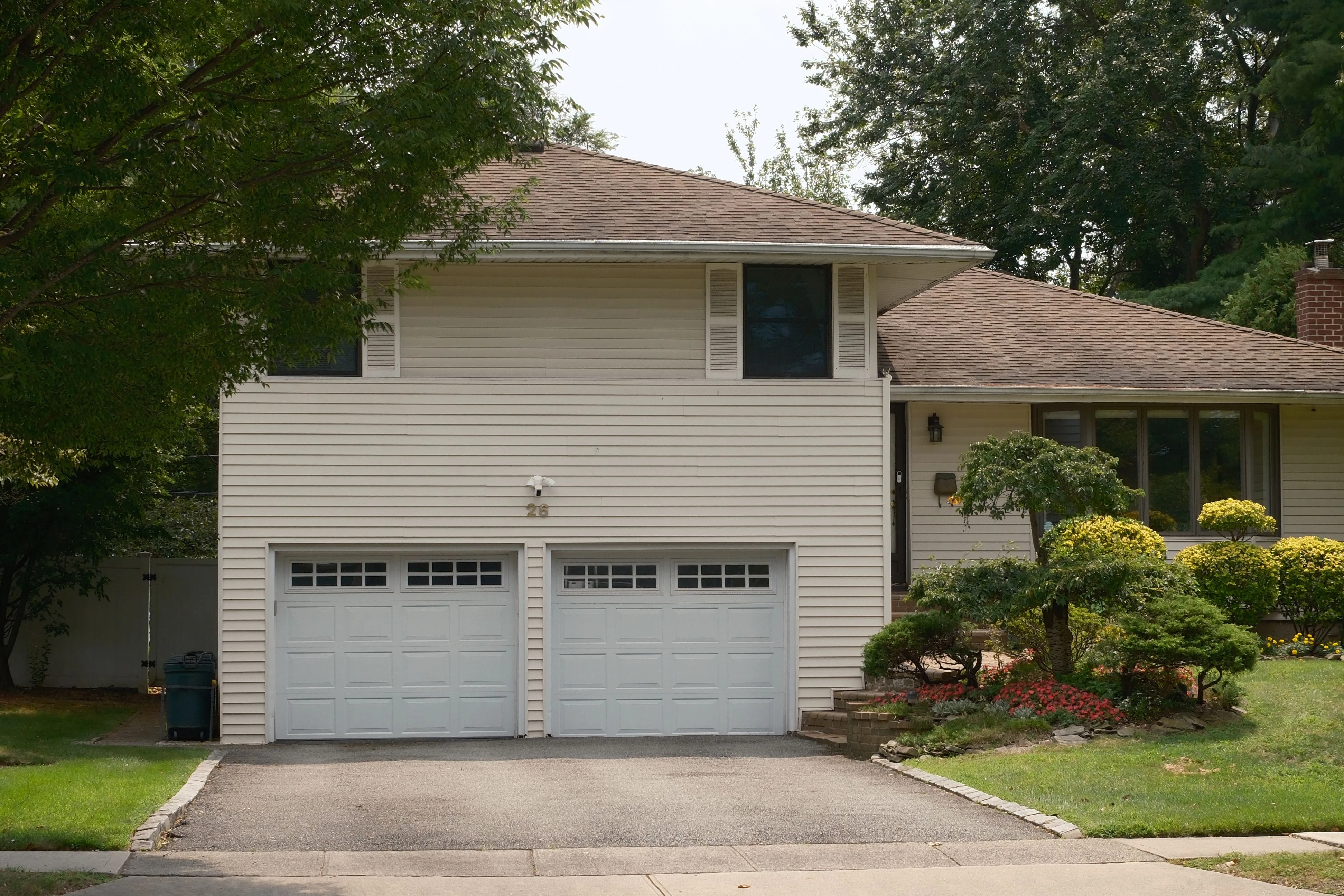
Most houses on this stretch of Fanwood went up around 1954, which puts them a good decade ahead of the 1938-to-2005 spread you see across the wider region we cover out of Old Bridge. That matters more than it sounds like it should. A door installed on a mid-1950s opening was built for hardware nobody makes new anymore - narrower track profiles, lighter-gauge panels, spring setups sized for doors that weighed less than what replaced them. With about 2,776 households in this pocket, the building stock clusters tightly around that one era instead of spreading across decades the way it does elsewhere on our route.
When we get called out here, we're usually looking at either the original door still hanging on, stubbornly, past its fortieth or fiftieth year, or a replacement door from the 80s or 90s bolted onto framing that was never squared for it. Both show up different than a door from a subdivision built in 1985. We can't tell you what's behind your specific opening without seeing it, but we can tell you the era gives us a strong starting guess before we even open the truck.

The area
What We Will Not Take On
We're honest about one thing up front: we run out of Old Bridge, and Fanwood sits roughly 17 miles out, which puts it near the far edge of what we can reach on a same-day emergency call. If a spring snaps at 7am and you need someone there by 8, we may not be that call. We'll tell you straight rather than promise a window we can't hit.
We also don't chase every repair. If a door from the original 1954 build has a rusted-through track and a frame that's shifted enough that a new door won't seat square, patching the old hardware isn't worth your money - replacement is the honest answer, even though it's the bigger job. And parts for hardware that old sometimes take longer to source than a same-week fix allows; we'd rather say that now than have you waiting on a promise we made without checking stock first.
What we find
How That Shows Up in the Door
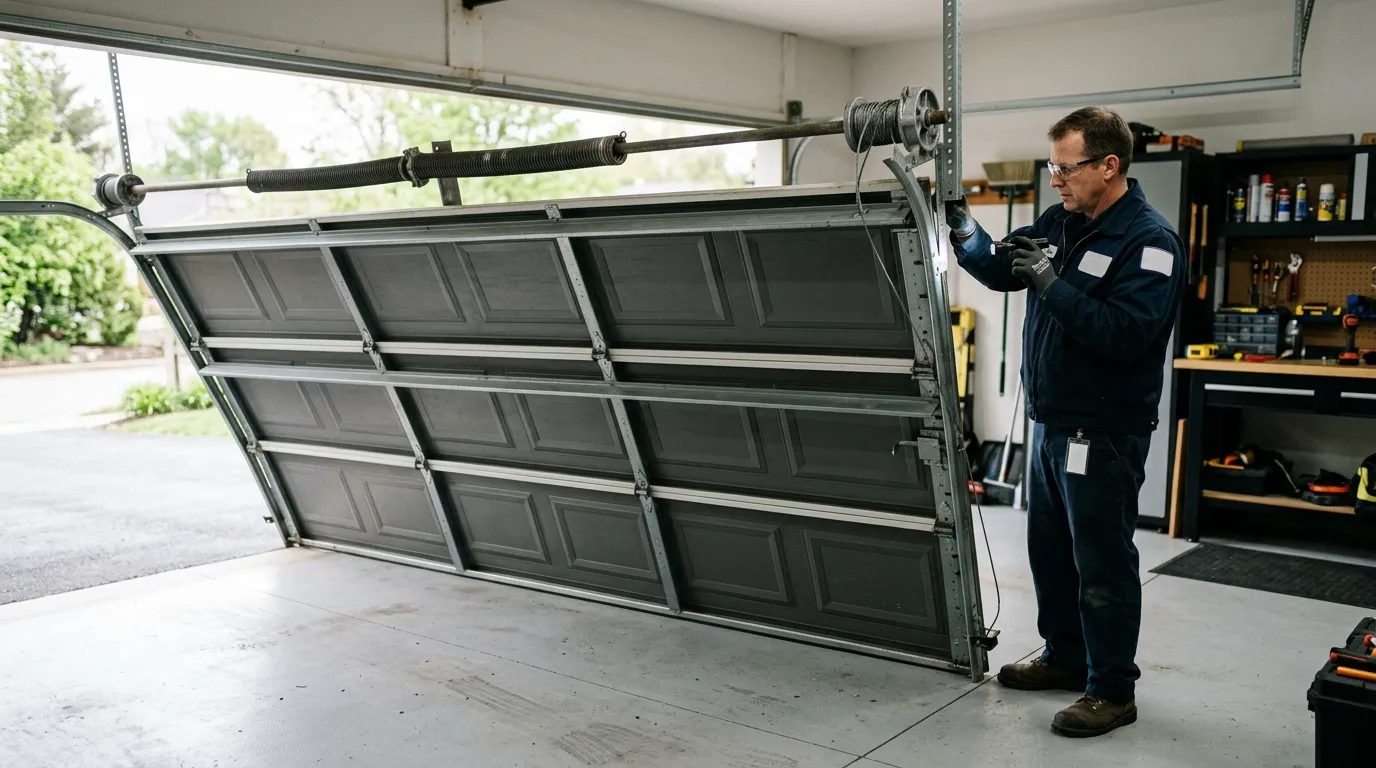
A door built for a 1954 opening usually runs on side-mounted torsion hardware, often a single spring doing the work a modern double door splits across two. That spring wears differently under the region's cold-climate stress than a newer setup would - stiff steel doesn't flex the way it did when it was new, and a hard freeze overnight is exactly when an old spring decides to give out, usually on the first cold morning after a mild stretch. We also see cables run through pulleys that were never designed for the added weight of a retrofitted insulated panel someone bolted in decades later, which throws the whole balance off and chews through rollers faster than it should.
None of this is exotic work, but it's not the same job as servicing a door from a 1995 build either. Knowing the era before we get there means we usually bring the right spring size and the right roller stock on the first trip instead of a second visit to go back for parts.
How we work
What People Here Ring About
With a median household income here near $176,667, the calls we get from this part of Fanwood lean toward upgrades as much as repairs - insulated steel doors, quieter belt-drive openers, and full hardware swaps rather than a patch job meant to squeeze one more year out of original parts. That's different from calls we get in areas with older, lower-turnover housing stock, where the ask is usually just keep it running. Here, once a spring goes on a 1954-era door, a lot of owners decide it's the moment to replace the whole unit rather than repair around aging brackets and tracks.
We still get plenty of straightforward calls too - a roller that's jumped its track, an opener that's stopped responding to the remote, a cable that's frayed through. We handle those the same way regardless of what the rest of the street is doing. The difference is mostly in what happens after we diagnose the spring: more owners here choose to go bigger than smaller.
Service areas
Other areas we cover near Fanwood

Questions
Common questions
Do you have a location in Fanwood?
No. We run out of Old Bridge, about 17 miles away, and Fanwood is one of the farther points on our route. We still take calls here, but same-day emergency windows are tighter than they'd be closer to our yard, and we'll tell you honestly if a slot doesn't work.
Why does my door's age matter for the repair?
Houses in this part of Fanwood mostly went up around 1954, which means original hardware built for lighter, narrower doors than what's often hanging there now. Knowing that before we arrive means we bring the right spring size and roller stock instead of guessing and coming back.
Is it ever cheaper to replace than repair?
Sometimes, yes. If the frame's shifted or the track is rusted through on an original door this old, patching it costs money without fixing the underlying problem. We'll say so directly rather than run up a repair bill on hardware that's past the point of being worth saving.
What's the most common call from this area?
A lot of it is torsion spring failure on original 1950s-era doors, plus opener upgrades - many owners here choose to replace the whole unit once a spring goes rather than patch around aging brackets.
Ready when you are
Need a garage door sorted in Old Bridge?
Old Bridge Garage Door Pros repairs and installs garage doors, springs and openers in Old Bridge, NJ and the surrounding area.